Medical Assistants Recognition Day Cards Embroidery Review
The Instant Appeal of this Linear Design
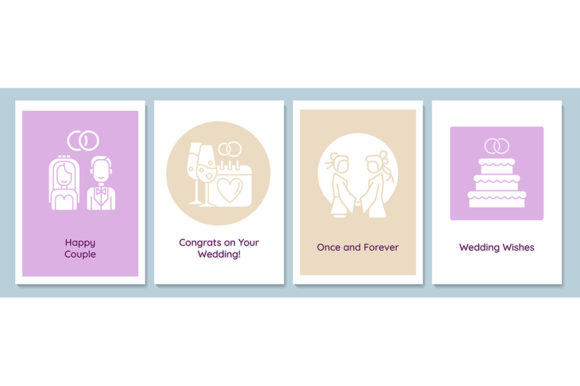
When I first opened the Medical Assistants Recognition Day Cards file, my designer’s eye was immediately drawn to its simplicity. It’s a greeting card concept translated into a clean, linear glyph set. That linear style, often described as creative lineart illustration, is a significant win for embroidery. Complex, overly detailed vector graphics can become muddled when stitched, but this design’s simple style poster approach feels like it was made for thread.
The mood is professional yet appreciative, with a quiet elegance that avoids being too flashy or childish. The visual personality is modern and respectful, which is perfect for honoring medical assistants. It doesn’t scream; it speaks clearly. For an embroidery designer, this means the core emotion of the piece—gratitude and recognition—will translate directly to the finished product without getting lost in decorative noise.
Where This Design Finds Its Perfect Embroidery Home
In my daily work, I’m always matching a design to a real-life project. This one naturally belongs on items meant as a genuine thank-you gift or a piece of boutique merchandise. Picture a custom embroidered tote bag for a clinic’s staff—the linear icons would stitch out beautifully on the sturdy canvas. Imagine a high-quality sweatshirt given as a holiday gift to a lead assistant; the design offers a sophisticated alternative to bulky, cartoonish logos.
I can see it working exceptionally well on a crisp apron for a medical office manager, or as a discreet yet meaningful patch on a lab coat. For small business owners and Etsy sellers creating personalized products, this design elevates a simple pillow cover or kitchen towel into a thoughtful recognition present. The layout, with its balanced decorative vector elements, also lends itself to smaller applications, like the corner of a premium tea towel or subtly on a cap, provided the lettering scale is handled carefully.
Considering Dark Fabrics and Textured Surfaces
Any experienced embroiderer knows that not every design travels well to every fabric. The Medical Assistants Recognition Day Cards design, with its linear nature, requires some practical forethought. On dark fabrics, the contrast must be high; consider using bright white or a very light thread color for the lineart to ensure the stitching clarity remains sharp. On textured fabrics like some sweaters or blankets, the fine lines could get lost, so a slightly larger hoop size might be necessary to preserve detail.
Stretchy fabric and curved surfaces, like caps, present a challenge for any design with consistent line weight. Using a proper stabilizer is non-negotiable here to prevent distortion. Also, while the design feels detailed, it’s not dense. This is a benefit for products that need frequent washing, like apparel or kitchen items, as less stitch density means less stress on the fabric over time.
How This Design Boosts Your Project’s Value
Using a design like this isn’t just about stitching; it’s about the final product’s story. When a customer or recipient sees this embroidered on a gift, the visual appeal speaks of consideration. The clean execution fosters customer trust in your craftsmanship—it looks intentional and professional, not hastily slapped on. For creative entrepreneurs, this consistency in handmade presentation strengthens your brand as someone who delivers quality.
The giftability factor is high. A medical assistant receiving a custom embroidered baby item for their own child, adorned with this respectful design, would feel a deeper level of personal connection than with a generic store-bought gift. For commercial embroidery projects, such as items for a small clinic’s merchandise shop, the design’s professionalism aids buyer engagement. It feels like an official token of appreciation, which adds tangible value to the sweatshirt, tote bag, or apron you’re selling.
A Real Scenario: Preparing a Boutique Tote Bag
Let’s walk through a real case. I’m preparing a limited-run of embroidered tote bags for a local healthcare boutique. I choose the Medical Assistants Recognition Day Cards design because its decorative vector elements are distinctive without being overwhelming. My first step is always to test the embroidery file on scrap fabric—the same canvas I’ll use for the bags. I check thread color contrast against the natural fabric color and review the stitch density on the linear icons to ensure they’ll be clean and not prone to puckering.
I confirm my hoop size can accommodate the entire design without needing to compromise on the layout. I inspect the small details, particularly any tiny lettering in the “holiday wish” portion, to see if it will remain legible at my chosen scale. I also run a simple test in black and white mockups to visualize it on both light and dark background options for my customer. This practical prep, using the design as a digital embroidery file, ensures the finished product will look exactly as I—and my client—imagine.
Essential Notes for Embroidery Designers & Makers
Before you run this machine embroidery design on your first real project, a few grounded notes from my review process. While the product category is Graphic Templates and the type is Graphics, your key step is to verify the specific embroidery file formats provided and their compatibility with your machine. The product description doesn’t specify stitch count or exact hoop sizes, so you must determine those through your software or by stitching a sample.
- Always test on scrap fabric first. This reveals how the linear glyphs translate to satin stitch or running stitch paths.
- Compare light and dark fabric backgrounds in your software. This linear design’s impact depends heavily on contrast.
- Consider the end use. For a decorative accent on a layered garment, like a jacket, the design may need slight resizing.
- Confirm the licensing. Before selling finished items or using it in commercial embroidery, check the terms for selling physical products made from this digital design asset.
- Use proper stabilizer. This is crucial for maintaining the integrity of the lineart on any fabric, especially stretchy ones.
This design is a strong candidate for both personal projects and commercial craft business items. Its straightforward, elegant approach avoids the common pitfalls of overly complex holiday embroidery files. By treating it as a professional tool and applying these practical steps, you can turn the Medical Assistants Recognition Day Cards concept into an embroidered product that truly honors its subject and delights its recipient.