An Embroidery Designer’s Review of Celebrate Marriage Day Greeting Cards
Whenever a new design drops into my library, I take a good, long look at it from the perspective of my needle and thread. I’m not just thinking about how it looks on a screen; I’m picturing how it will feel when stitched out, what kind of fabric it’ll sing on, and whether it’ll make a client smile or a customer pause at a craft fair table. Today, I’m putting Celebrate Marriage Day Greeting Cards through that same real-world filter.
The First Impression: Clean, Sentimental, and Versatile
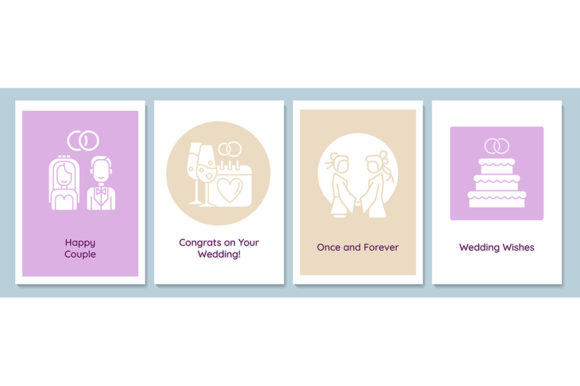
Right away, this design speaks in a gentle, celebratory tone. It’s built around that glyph icon element set—simple, symbolic shapes that evoke cards, ribbons, or banners. The layout feels thoughtful, not crowded. This isn’t a loud, flashy declaration; it’s a warm, minimal illustration that whispers "congratulations" or "happy anniversary." The mood it creates is one of sincere affection, which is perfect for projects destined as gifts.
For an embroidery designer, that visual personality tells me this design belongs on items meant to be kept and cherished. It wouldn’t feel out of place on a cozy pillow cover for a newlywed couple’s home, or stitched neatly onto the corner of a linen tea towel as a kitchen gift. Its clean lines and decorative invitation style suggest it would translate beautifully into a custom embroidered patch, ready to be ironed onto a tote bag or apron. It has that graphic template clarity which, when stitched, should result in a polished, professional-looking finished product.
Where This Design Shines in Real Projects
Let’s talk application. I’m imagining a real scenario: a client requests a personalized anniversary gift—a high-quality sweatshirt for their spouse. Celebrate Marriage Day Greeting Cards comes to mind immediately. The celebratory text and simple postcard vector aesthetic would sit perfectly on a chest or sleeve, offering a custom, handmade touch without overwhelming the garment. The stitch density, assuming it’s well-optimized, should handle mid-weight fabrics like sweatshirt fleece or cotton tees beautifully, provided a good stabilizer is used.
For small business owners and Etsy sellers, this design is a versatile asset. It could anchor a whole product line:
- A delicate rendition on baby clothes for a "first anniversary as parents" gift.
- A crisp, satin stitch outline on a canvas tote bag sold as a boutique wedding attendee present.
- As a focal point on a pillow cover for nursery decor, celebrating the marriage that built the family.
- Even as a clean, graphic element on a cap or apron for a craft fair product, appealing to those looking for meaningful holiday embroidery.
The key here is its adaptability. Because it leans towards minimal illustration, it won’t become a dense, stiff patch on lightweight fabrics. It should maintain a good stitch clarity, making the glyph icons and text readable and appealing, which directly boosts the perceived value and customer trust in your handmade product. A clean, well-executed embroidery job using this design looks intentional and professional, enhancing your brand consistency as a maker.
Caution Areas: Where to Test Before You Commit
No design is universally perfect, and a practical review means pointing out where to proceed with care. The celebratory text and any delicate decorative accents within Celebrate Marriage Day Greeting Cards need special attention.
If you’re working on a small hoop size—say, for a tiny patch on a baby item or a detailed corner of a kitchen towel—you must test the design on scrap fabric first. Tiny lettering can become blurry if the stitch density is too high or the font isn’t optimized for embroidery. Similarly, on textured fabrics like certain blankets, or on dark fabric where thread color contrast is critical, a preview in a black and white mockup can help you visualize the final impact.
Stretchy fabrics and curved surfaces like caps present another consideration. The design’s layout and any potential dense stitch areas need to be checked for flexibility. A rigid, heavy fill stitch section might not wear comfortably on a stretchy tee or conform nicely to a cap’s curve. Always, always use the proper stabilizer for the fabric, and consider whether a simpler running stitch or applique approach might be a better fit for certain elements if the provided embroidery file allows for that.
For products destined for frequent washing—like apparel or kitchen towels—you’ll want to inspect how small details hold up. A test run on a similar fabric, washed a few times, is the best way to guarantee longevity and maintain that giftability.
Practical Notes for the Working Designer
Before you load this machine embroidery design into your project queue, here’s my checklist. These steps save time, materials, and client disappointment.
- Test on Scrap. Always. Use a fabric similar to your final project to check thread color contrast, stitch density, and overall clarity.
- Review the Scale. Hoop size matters. Ensure the design fits your intended area without forcing compression of delicate elements.
- Consider the Background. How does it look on both light and dark fabric backgrounds? You might need to adjust thread colors for optimal recognition.
- Confirm Licensing. As a graphic from the Graphics category, verify the license terms. Can you use it for commercial embroidery projects and sell the finished product in your small shop or on Etsy? Don’t assume.
- Think Beyond Apparel. This design’s creative banner and postcard feel make it strong for printable mockups for your digital product listings, or as a clean element in digital design assets for your brand.
Ultimately, Celebrate Marriage Day Greeting Cards presents itself as a thoughtful, versatile tool for designers and makers. It’s not just a graphic; it’s a potential centerpiece for a meaningful personalized gift or a well-crafted item in your craft business lineup. Its success hinges on your skill and careful preparation—testing, stabilizing, and choosing the right fabric partner. When matched well, it should stitch out with a clean, sentimental appeal that resonates with buyers and recipients, turning a simple digital embroidery file into a tangible piece of celebration. That’s the real project use we’re all aiming for.