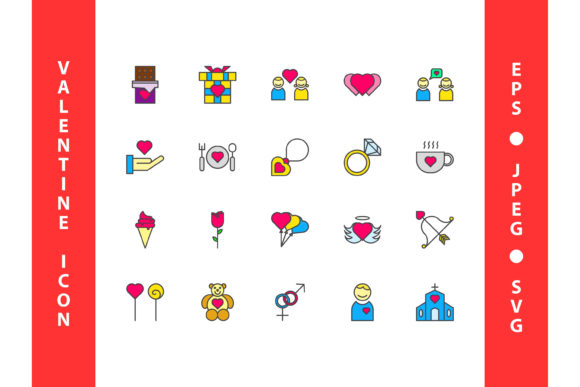
Review: Valentine's Day Icon Set 2 Filled Line for Embroidery
When a new design file lands on my desk, my first question is always: will this stitch out beautifully in a real project? I’m looking at the Valentine's Day Icon Set 2 Filled Line today not just as a graphic, but as a potential embroidery design. Let’s walk through how this icon set translates from screen to stitch, and where it shines—or needs a careful eye—for designers, makers, and small business owners.
The First Impression: A Sweet, Modern Valentine’s Mood
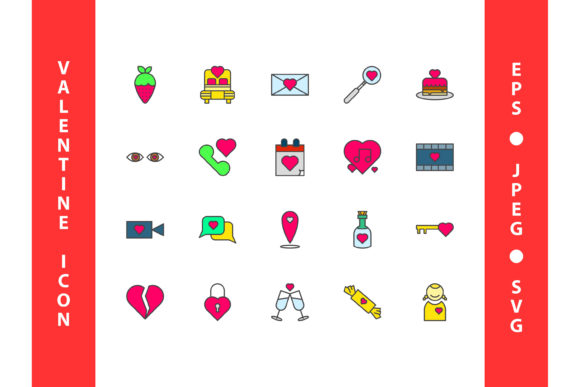
This set has a clean, contemporary feel. The filled-line style means the icons have solid areas with outlined details, which in embroidery terms, translates to a mix of fill stitch and satin stitch potential. It creates a mood that’s sweet without being overly cute, modern without being cold. The visual personality leans towards boutique-ready—perfect for a handmade shop looking for designs that feel fresh and giftable. Immediately, I pictured it on a minimalist apron, a crisp pillow cover, or a nicely branded tote bag for a small shop.
Where This Design Finds Its Perfect Project Home
In my experience, a design’s theme needs to match the product’s purpose. Here’s where I see the Valentine's Day Icon Set 2 Filled Line performing exceptionally well.
- Custom Apparel with a Boutique Feel: A single icon embroidered on the chest of a high-quality sweatshirt or t-shirt. The clean lines would stitch out with great clarity, adding value without looking cluttered.
- Personalized Gifts with Heart: Imagine a set of icons used on matching kitchen towels or pillow covers for a wedding gift. The consistency across items would look professional and thoughtful.
- Small Shop Merchandise: For an Etsy seller or craft fair vendor, these icons could anchor a whole Valentine’s line—from embroidered patches to baby blanket accents. They’re recognizable yet versatile.
- Branding and Printable Mockups: As a graphic asset, the set works beautifully for digital product previews or branding elements on your shop’s website, adding a cohesive holiday touch.
A Real Scenario: Crafting Valentine Tote Bags for a Pop-Up Shop
Let’s say I’m preparing a batch of embroidered tote bags for a February pop-up sale. I’d choose one of the stronger icons from this set—perhaps a heart motif—and center it on the bag’s front. The filled areas would require a robust fill stitch, making the design feel substantial and durable. The outlined elements would need a precise satin stitch or a fine running stitch for detail. On a natural canvas tote, the contrast would be excellent. Customers would likely respond to the clear, modern design; it doesn’t scream “holiday” but whispers it, which often appeals to a wider audience.
Careful Considerations for Stitching Success
No design is universally perfect. The embroidery file’s success depends on how we apply it. Here are points to ponder before hooping your fabric.
- Small Hoop Sizes & Detailed Corners: If the icons have intricate corners or tiny internal details, test them in a small hoop first. On a cap or a baby item, those details might need simplification to avoid thread bunching.
- Fabric Texture and Color: On textured fabrics like a sweater or a thick blanket, the filled lines could lose definition. On dark fabrics, thread color contrast is paramount—you might need to switch to a lighter palette than the graphic suggests.
- Stitch Density and Stabilizer Choice: Filled areas mean denser stitching. On thin or stretchy fabrics like t-shirts, a good, appropriate stabilizer is non-negotiable to prevent puckering or distortion.
- Products for Frequent Use: For items like aprons or kitchen towels that see lots of washing, the density of the filled areas should be tested for durability. A too-dense fill might stiffen the fabric excessively.
How This Design Impacts Your Craft Business
Using a design like this isn’t just about aesthetics; it’s about customer trust and professionalism.
A well-executed embroidery of this set elevates the perceived value of a handmade product. The clean, intentional look speaks to quality craftsmanship. For a small business owner, it supports brand consistency—using a cohesive set across products makes your lineup look curated. The giftability is high; these icons feel special without being overly personalized, making them safe bets for holiday inventory. In a commercial embroidery project for a client, such a modern set would likely meet brand guidelines for a contemporary boutique or café looking for holiday motifs.
Essential Designer Notes Before You Stitch
My routine before any project involves a few practical steps. For the Valentine's Day Icon Set 2 Filled Line, I’d advise:
- Always stitch a test on scrap fabric that matches your final project material. Check for clarity, especially in the smallest details.
- Review the implied thread colors from the graphic. Create both light and dark fabric mockups digitally to see how the contrast holds.
- Analyze the layout. Does the design have very dense areas adjacent to open areas? This can affect stitch density and machine settings.
- Confirm the licensing for this graphics product. Before selling finished embroidered patches or custom apparel using this design, ensure your use—personal or commercial—is covered.
- Consider the final size. What is the minimum hoop size you’d need to keep all details sharp? Don’t assume; test it.
The Final Take: A Versatile Asset for the Creative Maker
The Valentine's Day Icon Set 2 Filled Line is more than just holiday graphics. It’s a potential foundation for a range of embroidery projects that carry a modern, affectionate tone. Its strength lies in its adaptability—from digital previews to stitched-out finished products. For the creative entrepreneur, it offers a design that can be trusted to look professional, engage buyers, and fit seamlessly into a holiday collection or a personalized gift line. Approach it with the practical steps above, and it could become a reliable part of your Valentine’s—or even year-round—design toolkit.