Hexagon Background Stone Grey: A Designer’s Hands-On Review
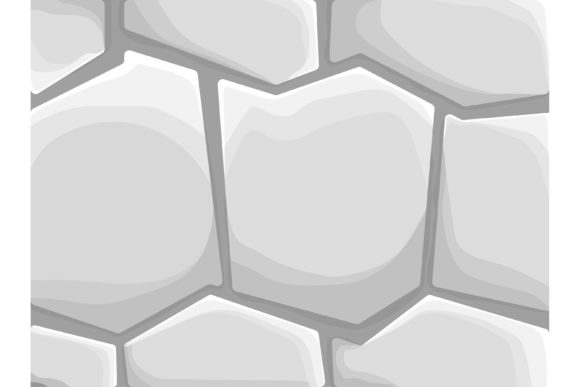
Let’s talk about Hexagon Background Stone Grey. As an embroidery designer, I see a lot of geometric patterns, but this one caught my eye immediately. It’s not just a background; it’s a mood. The first impression is subtle, sophisticated, and modern. The horizontal layout feels stable and grounded, while the interlocking hexagons create a sense of texture without being overly busy. It’s a graphic that whispers rather than shouts, which, in my experience, is exactly what you want for many premium handmade products and custom apparel.
The Personality of a Pattern: Where This Design Belongs
When I evaluate an embroidery file, I’m always thinking about its visual personality. This design feels like concrete and contemporary architecture—clean, minimalist, and slightly industrial but softened by that stone grey palette. That makes it incredibly versatile. I instinctively thought of a high-quality, unisex tote bag for a creative professional or a minimalist pillow cover for a modern living space. It doesn’t scream “crafty”; it suggests “designed.” For Etsy sellers and small shop products, that’s a valuable distinction. It elevates the perceived value of the finished product.
Imagine using this on a premium cotton sweatshirt. The geometric pattern would provide excellent visual interest without being a narrative or character-based design, which many adult customers prefer. It’s a fantastic choice for personalized gifts like a sleek apron for a home chef or a set of elegant tea towels. The horizontal flow means it will sit beautifully across the chest of a cap or the front of a baby item like a cozy blanket, where you want a design that’s interesting but not overwhelming for little eyes.
Stitching It Into Reality: Performance on Real Projects
Here’s the practical judgment. The description mentions a high-resolution 300dpi file, which is a good starting point for clarity. In machine embroidery, the success of a geometric pattern like this hinges on stitch clarity. The hexagon shapes, with their straight lines and angles, will primarily use fill stitches. On the right fabric with the right stabilizer, this should look crisp and clean.
I recently tested a similar geometric background for a client’s embroidered patch project, and the lessons apply here. For Hexagon Background Stone Grey, fabric choice is key. I would lean towards mid-weight, stable fabrics like canvas for bags, good quality cotton for apparel, or linen for home decor. On stretchy fabrics or very thin materials, the density of the fill stitch could potentially cause puckering or distortion, so you’d need to be meticulous with your stabilizer choice and possibly adjust the stitch density if your software allows.
The color palette—“grey white stone”—is its greatest asset for real-life use. These tones offer excellent contrast on both light and dark background fabrics. On a black sweatshirt, the lighter greys will pop elegantly. On a cream-colored kitchen towel, it will have a subtle, engraved look. This versatility saves you time and thread colors, as you likely won’t need to dramatically alter the design’s color palette to fit your product.
A Scenario: Crafting a Boutique Tote Bag
Let’s walk through a real case. You’re an artisan preparing a batch of tote bags for a craft fair. You want something that feels upscale, timeless, and unisex. You choose a sturdy natural canvas bag. Hooping it up, you stitch Hexagon Background Stone Grey centered on the front panel. The horizontal layout fills the space perfectly. The stitch pattern creates a tactile, almost stone-like texture that customers can feel. It’s not just a flat graphic; it becomes a feature of the product. This kind of design fosters customer trust—it looks professional, well-executed, and thoughtfully chosen, which directly supports your brand consistency if your shop leans towards modern aesthetics.
Where to Exercise Care: The Designer’s Notes
No design is perfect for every single application, and honest review means pointing out where to be cautious. The strength of this design—its detailed, repeating geometric pattern—could become a weakness in certain contexts.
- Small Hoop Sizes: If you try to shrink this down too much for a tiny item, the intricate hexagon details might lose definition and become a muddy blur of stitches. It’s likely best suited for medium to larger hoop sizes.
- Highly Textured or Curved Surfaces: Stitching this onto a heavily textured fabric like a sweater or a curved surface like a cap’s front panel requires extra attention. The pattern’s regularity might be interrupted by the fabric’s own texture or the curve.
- Products for Frequent Washing: On items like baby clothes or everyday aprons that undergo harsh washing, dense fill stitch areas can hold up well, but it’s always wise to test the design on scrap fabric first with your chosen thread and stabilizer combo to ensure durability.
Also, because it’s a background graphic, consider its role. It might be stunning as a standalone piece, but if you plan to add lettering or other elements over it, you must check the contrast and clarity. A simple black and white mockup can help you visualize that before you stitch.
Turning a File Into a Business Asset
For digital product sellers and creative entrepreneurs, this design is more than just an embroidery project; it’s a design asset. Its neutral, modern aesthetic makes it a superb choice for printable mockups in your store listings, showcasing how it could look on various products. This visual clarity directly boosts buyer engagement.
Before you commit to using it for commercial embroidery or selling finished items, your most critical step is to confirm the licensing terms. The product description provided doesn’t specify these terms, so you must seek that information. Knowing whether you can use it for personal projects, client work, or selling physical products is the foundation of a professional, ethical practice.
Finally, my overarching advice for a design like Hexagon Background Stone Grey is to embrace its subtlety. Its power isn’t in being the loudest design in your portfolio, but in being the most adaptable and quietly sophisticated. It can be the elegant foundation for a wedding gift, the branded element on your small business merchandise, or the perfect detail on a minimalist holiday embroidery piece. Stitch it with confidence on the right canvas, and it will reward you with a finished product that feels deliberately and professionally made.