From Coloring Page to Stitched Masterpiece: A Designer's Review
When a design called Mandala Coloring Book for Adult lands in my project folder, my first instinct isn't to print it—it's to imagine how it would look stitched. This isn't just a graphic; it's a potential embroidery project, a piece of art waiting to be translated into thread and fabric. My role here is to evaluate it from the perspective of someone who will actually use it: for client commissions, for my own shop products, for the kind of handmade items that need to feel special from the first glance.
The First Impression: Calm, Complex, and Instantly Recognizable
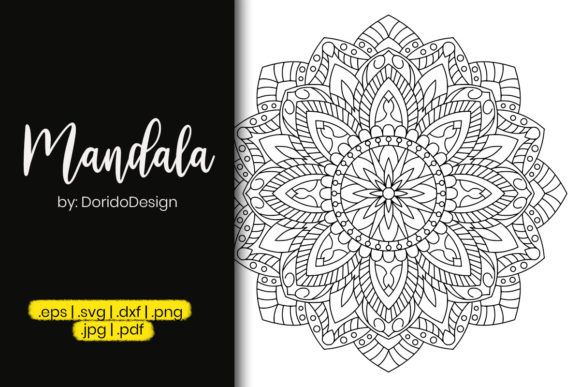
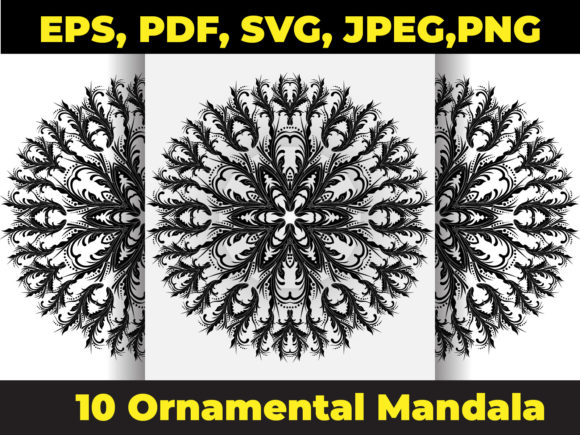
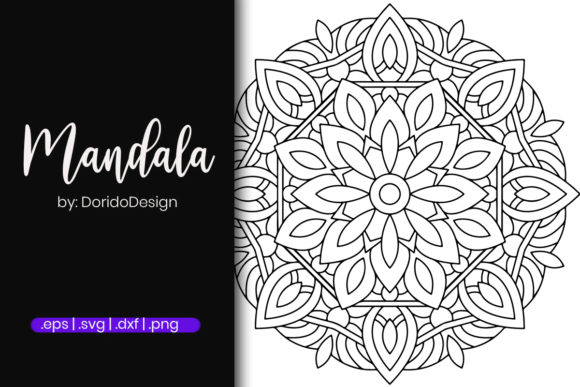
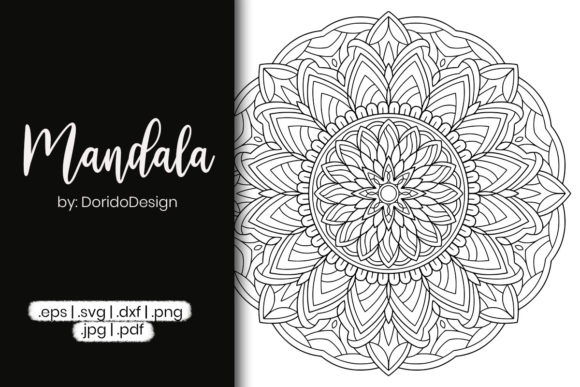
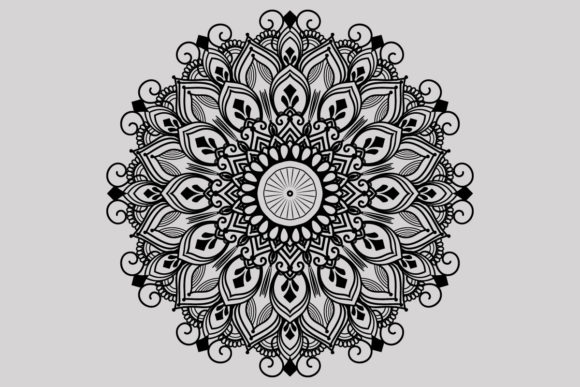
The mood here is immediately clear: this is a meditative, detailed design. The classic mandala structure—symmetrical, radiating from a center—creates a sense of balance and calm. For embroidery, that’s a powerful starting point. It suggests a project meant for thoughtful creation and, ultimately, for a customer looking for something serene and beautiful. The layout is inherently decorative, with layers of patterns that promise a rich texture when stitched. The detail level, however, is the first thing I scrutinize. As a coloring page, it invites filling in spaces; as an embroidery design, those same spaces become decisions about stitch type, density, and thread management.
Where This Mandala Naturally Belongs in Your Project Lineup
Let’s picture a real scenario. I’m preparing a batch of custom embroidered tote bags for a boutique client who wants a “zen” collection. The Mandala Coloring Book for Adult design comes to mind. Its intricate, non-representational nature makes it versatile—it doesn’t pin the bag to a specific season or theme, but it elevates it with artistry. It would work equally well as a central, bold statement on a lounge pillow cover for a nursery or a calming accent on a linen kitchen towel. For personalized gifts, like a monogrammed sweatshirt where the mandala frames the initials, it adds a layer of sophisticated customization. The design’s personality is elegant and universal, making it a strong candidate for products that aim for a timeless, handmade presentation rather than a trendy, fleeting one.
Performance on Real Products: Where It Shines and Where to Pause
On sturdy, stable fabrics like tote bag canvas, cotton aprons, or pillow covers, this mandala could truly shine. The defined sections would allow for beautiful fill stitch work, creating a substantial, tactile finish that adds real value to the product. On apparel like sweatshirts or t-shirts, it would become a striking focal point, but the fabric’s stretch and wear require extra planning. For smaller items like caps or baby clothes, the scale becomes critical. The intricate detail might need simplification or very careful sizing to avoid losing clarity.
Dark fabric backgrounds are a particular consideration. A mandala’s complexity relies on line clarity. On a black tee, for example, using a full spectrum of bright thread colors for every element could make it pop wonderfully, but if the design relies on subtle, similar-toned lines, they might get lost. Always test on both light and dark scraps first.
Navigating the Practicalities for a Professional Finish
The leap from a coloring page graphic to a finished embroidered product is all in the execution. Here’s how I think through it.
Visual Appeal and Customer Perception
A well-embroidered mandala conveys craftsmanship. Its symmetry and detail show that care was taken, boosting customer trust in the quality of your handmade product. For a small business, using such a recognizable, beloved motif can enhance brand consistency if it fits your aesthetic—think of a shop specializing in mindful, artistic goods. As a gift, it carries inherent meaning (wholeness, peace), which increases its giftability and emotional resonance for the buyer.
Critical Designer Notes Before You Hoop the Fabric
- Test on Scrap Fabric First: This is non-negotiable. Stitch a section to see how the lines translate. Does the stitch density feel right? Do tiny corners pucker?
- Check Thread Color Contrast: Plan your palette. Will you use a harmonious color scheme or a vibrant, contrasting one? The design’s appeal changes dramatically with this choice.
- Review the Scale for Your Product: Embroidering it on a tea towel versus a large blanket demands different sizing. Ensure details remain clear at your intended hoop size.
- Consider Fabric Texture and Stabilizer: On textured fabrics like linen, a detailed design can look beautifully organic. On thin or stretchy fabrics, a sturdy stabilizer is key to maintain the mandala’s precise shape.
- Mockup in Black and White: View the design without color to assess its fundamental line structure. This tells you if the pattern itself is strong.
A crucial, often overlooked step is confirming the licensing. Since the product originates in the Coloring Pages Amp Graphics category, you must verify the terms before using this Mandala Coloring Book for Adult design for commercial embroidery projects or selling the digital embroidery file itself. Understand the permissions for selling finished products or creating derivative designs.
Final Thoughts: A Versatile Asset for the Creative Entrepreneur
In my hands, the Mandala Coloring Book for Adult transforms from a simple graphic into a blueprint for meaningful embroidery. Its strength is its decorative versatility and the mood it establishes. It’s not a casual, quick stitch; it’s a project that rewards planning and careful execution, resulting in a product that feels considered and professional. For the Etsy seller, craft fair vendor, or apparel decorator, it offers a design asset that can be adapted across a range of products—from wedding invitation embellishments (as suggested) to stitched heirloom gifts—always carrying that sense of crafted artistry. Approach it with a clear plan for your specific fabric, scale, and audience, and it can become a standout piece in your collection.