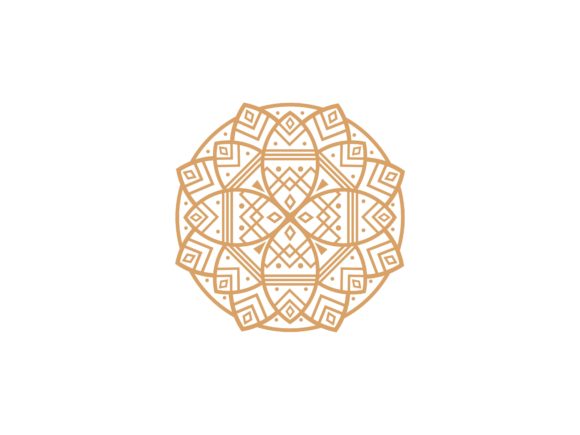
A Designer’s Real-World Review of the Mandala Ornament Logo
When you open a new embroidery file for the first time, you’re looking for more than just a pretty picture. You’re looking for a design partner—something that will hold up in stitching, resonate with clients, and fit seamlessly into your workflow. So, let’s talk about the Mandala Ornament Logo from that perspective.
The First Impression: Calm, Balanced, and Versatile
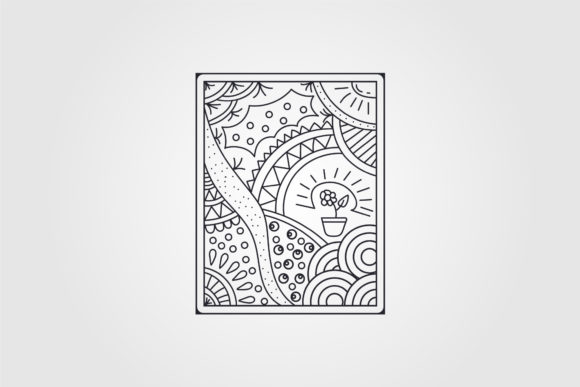
Opening this design, my immediate thought was “classic ornament.” It has that timeless, symmetrical mandala structure that feels both peaceful and decorative. The floral and abstract elements intertwine in a way that suggests balance and harmony, a mood that’s perfect for products meant to feel special or giftable. It doesn’t scream trendiness; instead, it offers a stable, elegant visual personality. For an embroidery designer, that’s a great starting point. This isn’t a design you use once; it feels like an asset you can return to for different clients and occasions.
Where This Logo Naturally Belongs
In my hands, this design instantly mapped to several real project ideas. I pictured it centered on a linen pillow cover for a boutique home goods shop, or as a subtle, beautiful logo embroidered on the breast of a soft cotton apron. Its ornamental quality makes it a strong candidate for wedding gifts—think embroidered tea towels or a keepsake blanket. For a small business owner, this could serve as a elegant, unifying brand mark on tote bags, sweatshirts, or even caps for a holistic brand presentation. The abstract, floral nature means it’s not locked into one niche; it can adapt.
Putting It Into Stitch: Practical Performance Notes
Thinking about actual embroidery, the provided file formats are a solid foundation. Having EPS, PNG, SVG, and a 300 DPI transparent background version means you can work digitally for mockups and then move cleanly into your machine embroidery design software. The vector nature suggests scalable detail, which is crucial.
For a real-life scenario, let’s walk through preparing a custom embroidered tote bag for a client’s craft fair booth. The mandala’s circular symmetry is a win here—it centers perfectly and provides a focal point that draws the eye without being overwhelming. On a canvas tote, the stitch density will be key. The intricate lines and floral details will need to be translated into clean satin stitch or fill stitch areas. On a larger item like a tote, you have room to let the details shine, but you must always consider thread color contrast against the fabric.
When to Approach with Care
Not every project is ideal. The level of detail in this Mandala Ornament Logo means you should be cautious on very small hoop sizes. Embroidering it on a baby item, like a tiny sweater sleeve, could lose clarity in the finer elements. Similarly, on highly textured or stretchy fabrics, those detailed corners might not stitch out with perfect sharpness without the right stabilizer strategy. Dark fabric backgrounds require thoughtful thread color selection to maintain the design’s ornamental lightness. And for curved surfaces like caps, the perfect circular shape might need slight adaptation to look natural.
The Impact on Your Product and Your Business
Beyond the stitch, this design affects the final product’s feel. On a handmade product, a well-executed mandala embroidery elevates the perceived value. It looks considered, artisanal, and gift-ready. For a small shop product, it contributes to brand consistency and professionalism. A customer seeing this clean, balanced logo on an Etsy listing or at a craft fair engages with a sense of trust—they recognize a cohesive visual identity.
As a designer, I also think about commercial embroidery and licensing. The product is categorized under Logos and Graphics, which hints at its intended use. However, before selling finished items or using it in client projects for their branding, it’s imperative to confirm licensing specifics. This is a fundamental step for any digital embroidery file used in a craft business.
Essential Designer Checklist Before Hooping Up
Before I’d commit this to a final project, here’s my practical run-through:
- Test on scrap fabric first. Use a fabric similar to your final product to see how the details translate.
- Check thread color contrast in both light and dark fabric mockups. The transparent background files are perfect for creating these previews.
- Review the stitch density in your embroidery software. How will the software interpret the vector lines? Will dense areas be too thick for fine fabrics?
- Confirm your hoop size can accommodate the design at the size you want, ensuring the smallest elements remain clear.
- Inspect the small details. Are there tiny intersections or corners that might need slight adjustment for clean stitching?
- Consider the end use. Is the item, like an apron or kitchen towel, going to need frequent washing? Ensure your stitch choices and stabilizer can handle that.
Final Thoughts: A Reliable Design Asset
The Mandala Ornament Logo strikes me as a versatile and reliable design element. It’s not the flashiest, but in the world of embroidery projects, reliability often wins. It can become a beautiful embroidered patch, a serene centerpiece for nursery decor, or a professional logo for a creative entrepreneur’s custom apparel line. Its mood is calm and decorative, which fits a wide range of personalized gift and holiday embroidery contexts.
My advice is to embrace its ornamental strength. Use it where balance and visual harmony are part of the product’s story. Test it thoroughly, respect the details, and it will likely become a go-to file in your library for projects that call for elegance without fuss. For embroidery designers and makers, that’s a practical win.